How does an investment on Gamevestor work?
Thursday 13 August 2026On Gamevestor, investing in a video game takes the form of a bond linked to a specific project.
On Gamevestor, investing in a video game takes the form of a bond linked to a specific project.
The investor does not become a shareholder in the studio or an owner of the game. They finance its development and, in return, receive a share of the revenue generated, under the terms defined for each campaign.
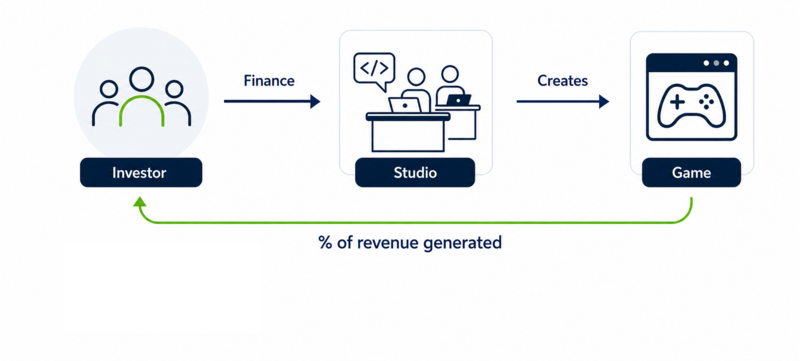
1. The investor chooses a project
Each campaign provides the key information needed to assess the investment:
the game and its stage of development;
the studio’s experience;
the budget and use of funds;
the go-to-market strategy;
the repayment terms;
the main risks.
The investor selects the project that matches their criteria and subscribes from the minimum amount indicated on the campaign page.
2. The investment takes the form of bonds
The investor subscribes to bonds issued by a dedicated project vehicle, known as a Special Purpose Vehicle, or SPV.
This vehicle pools the investments, finances the game and then centralises the revenue allocated to investor repayments.
The process follows a simple flow:
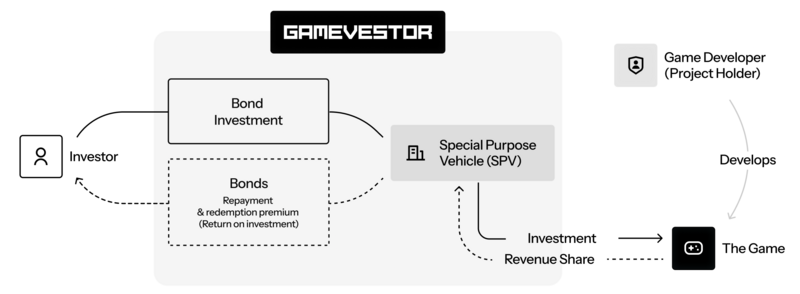
This structure brings all investors together within a single framework and simplifies the relationship with the studio.
In some cases, the studio’s or project’s legal entity replaces the dedicated vehicle. This alternative structure operates in a similar way to the model described here: the invested funds remain segregated by our payment service provider, Lemonway, and the revenue allocated to investors is distributed according to the same contractual principles.
3. The financing is completed once the minimum target is reached
Each campaign sets a minimum funding target.
Once this threshold is reached, the transaction is completed and the funds are allocated to the project under the terms set out in the campaign documentation.
If the threshold is not reached by the end of the campaign, the transaction does not proceed and the committed amounts are returned to investors.
4. Funds are released in stages
The funds raised are not transferred to the studio all at once. They are released progressively, in tranches, as the project reaches the milestones defined in the campaign.
These milestones correspond to specific development stages, such as the delivery of a playable build or the completion of a platform port.
At each stage, the project’s progress is reviewed before the next tranche is released. If the project cannot continue under the agreed conditions, all or part of the funds still held back may be returned to investors.
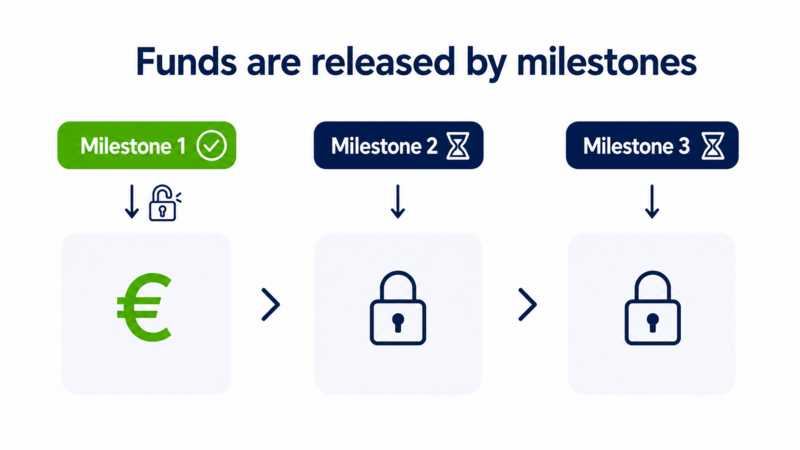
This structure aligns funding with the game’s actual progress, provides greater oversight over the use of funds and limits investor exposure to the amounts already released.
5. The game’s revenue repays and rewards investors
When the game generates revenue, the share defined in the contract is paid to the dedicated vehicle and then distributed to investors in proportion to the number of bonds they hold.
In most cases, 50% or more of the revenue generated by the game’s sales is allocated to investors until their principal has been repaid, according to the terms of each campaign.
After that, investors continue to receive a share of the game’s revenue for the period defined in the contract.
The revenue-sharing percentages, payment period and applicable caps are specified for each project. The investment’s performance is directly linked to the game’s commercial results: the higher the revenue, the higher the amounts distributed, within the contractual limits.
6. The investor follows the project over time
After the campaign closes, Gamevestor keeps investors informed of the project’s main developments:
development progress;
milestones reached;
changes to the production schedule;
commercial launch;
reported revenue;
payments made.
Investors can therefore follow the project from the financing stage through to commercial release and revenue distribution.
In summary
On Gamevestor, investors subscribe to bonds linked to a specific game. The funds finance its development, while a significant share of the revenue generated by the game’s sales (generally 50% or more) is allocated to repaying investors.
Once the principal has been repaid, revenue sharing continues under the terms defined in each campaign’s contract.

Ivan Marchand — President and cofounder of Gamevestor. Over 15 years in tech and video games, including at EA, Google and Amazon.